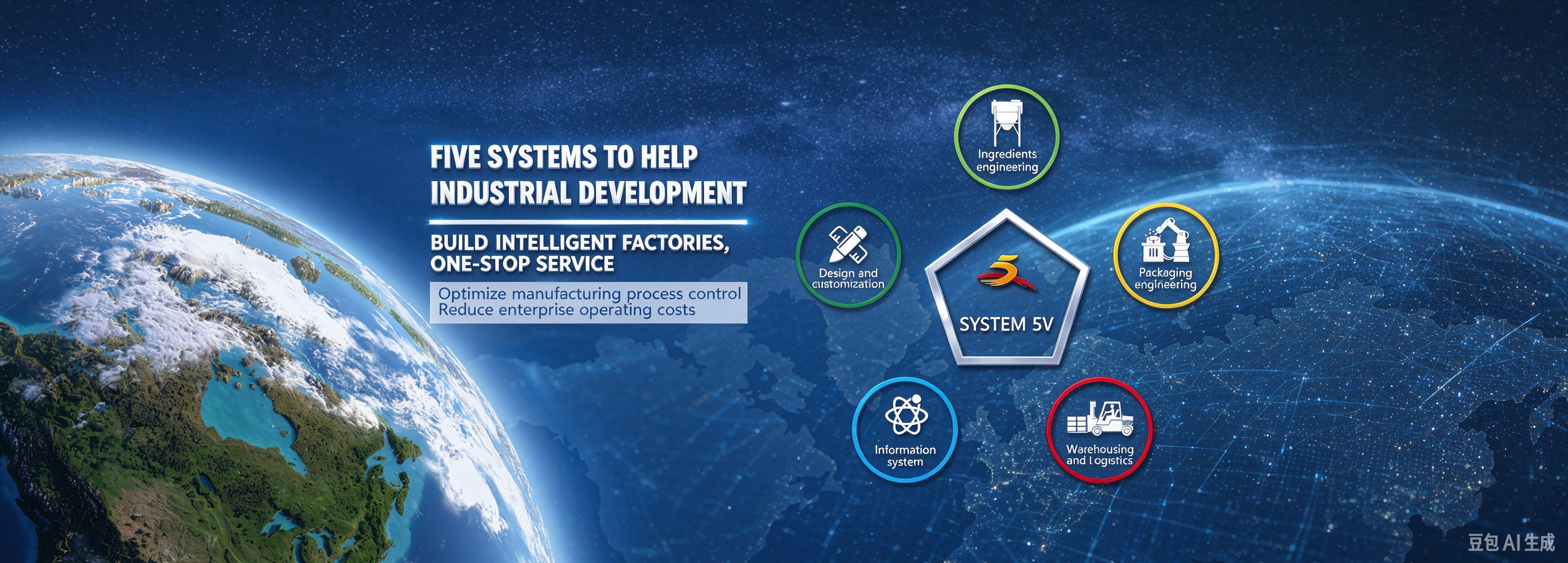
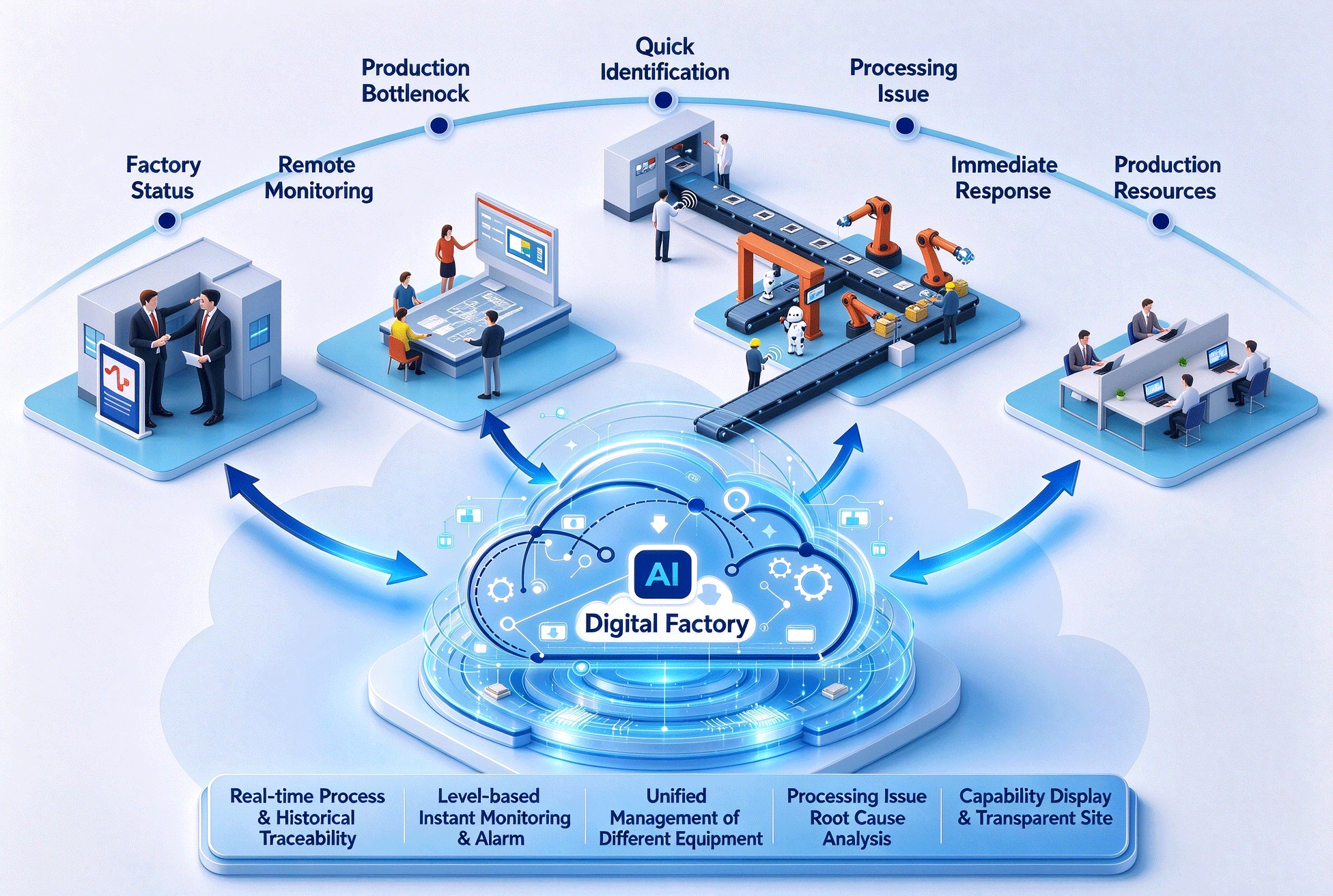
Intelligent System
The industrial control system is a process control system built with various automation and process control components. It collects and monitors real-time data to guarantee automatic operation, process control and status monitoring of industrial facilities. Its core components include the Supervisory Control and Data Acquisition system (SCADA), Distributed Control System (DCS), Programmable Logic Controller (PLC), Remote Terminal Unit (RTU), Human-Machine Interface (HMI), and related interface technologies.

Tel:
(+86) 0551-65650653
Related Products
1. MES
MES (Manufacturing Execution System) optimizes the management of the entire production workflow from order release to finished goods through information exchange. It responds to and reports real-time on-site events in a timely manner, and drives production guidance and processing based on accurate real-time data.
2. ERP
ERP is an application suite for managing an enterprise’s core business processes, covering finance, supply chain, human resources, procurement, sales, inventory and other workflows. It breaks the traditional boundaries of an enterprise and optimizes resources across the whole supply chain. Enterprises can configure different functional modules to match their business and development requirements.
Nowadays, most manufacturing enterprises are moving away from simple, decentralized tools for daily operation management. Intelligent ERP systems are adopted to coordinate the full “procurement-production-sales-logistics” chain. They help boost inventory turnover, cut capital occupancy, balance quality and cost control, streamline workflow efficiency, reduce downtime and material waiting time, and enable flexible production. Accurate quotation and on-time delivery also improve customer satisfaction.
3. WMS
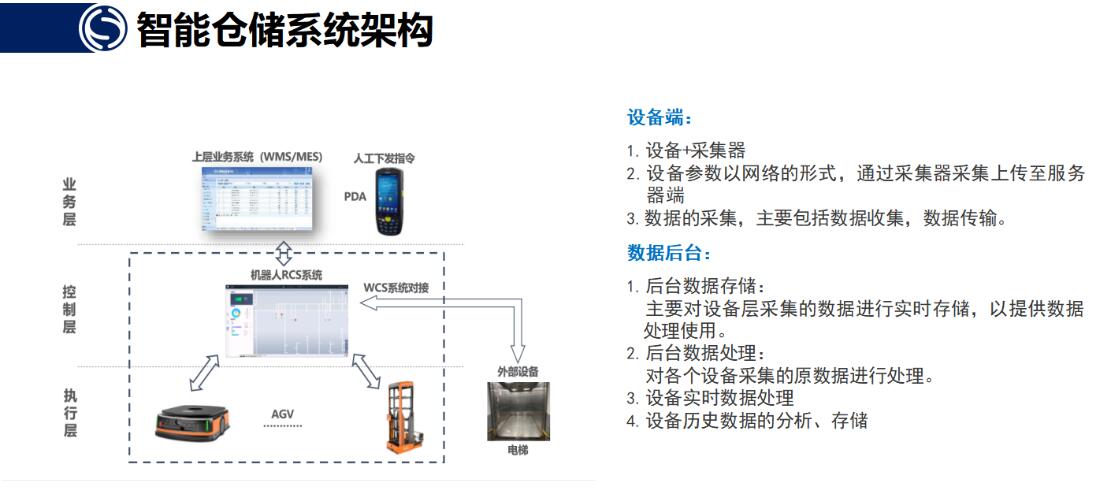
WMS (Warehouse Management System) is an intelligent warehouse management platform. It integrates functions such as batch management, material management, inventory control and quality inspection via inbound, outbound and stock transfer operations. It can effectively control and track the full logistics and cost management cycle of warehouse operations, realizing comprehensive digital warehousing management for enterprises.
4. SRM
SRM stands for Supplier Relationship Management System. It is a sub-system and an important module of the procurement management system. Centered on supplier information management, the SRM system adopts standardized procurement workflows and advanced management concepts. It evaluates supplier capabilities by examining their basic profiles, organizational structure, contact details, legal documents, financial data, qualification certificates and other information. Through comprehensive management of suppliers’ supply capacity, transaction records, performance and other indicators, it helps optimize supplier management and cut costs.
Video case

Online


 Back